Festival Finder Calculator
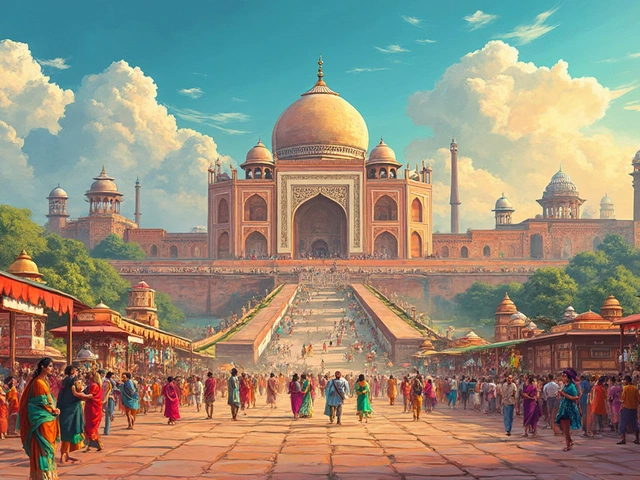
Indian cultural festivals are a vivid tapestry of traditions, colors, music, and food that span the subcontinent’s diverse regions. From the dazzling lights of Diwali to the joyous splashes of Holi, each celebration reflects local history, climate, and community values. This guide walks you through the most iconic festivities, explains how they differ across north, south, east, west, and central India, and offers practical tips for anyone wanting to experience them firsthand.
Why Indian Festivals Matter
India’s festivals are more than religious observances; they’re cultural anchors that bring families together, revive ancient arts, and boost local economies. A study by the Ministry of Tourism (2024) showed a 12% rise in domestic travel during major festival weeks, underscoring how these events drive tourism and preserve heritage. Understanding the why helps you appreciate the rituals, from fireworks to dance, as living expressions of India’s pluralism.
Nationally Celebrated Festivals
Some festivals have transcended regional boundaries and are marked nationwide. Below are the most widely observed:
- Diwali - The Festival of Lights, usually in October or November. Homes are illuminated with oil lamps, fireworks fill the sky, and sweets are exchanged.
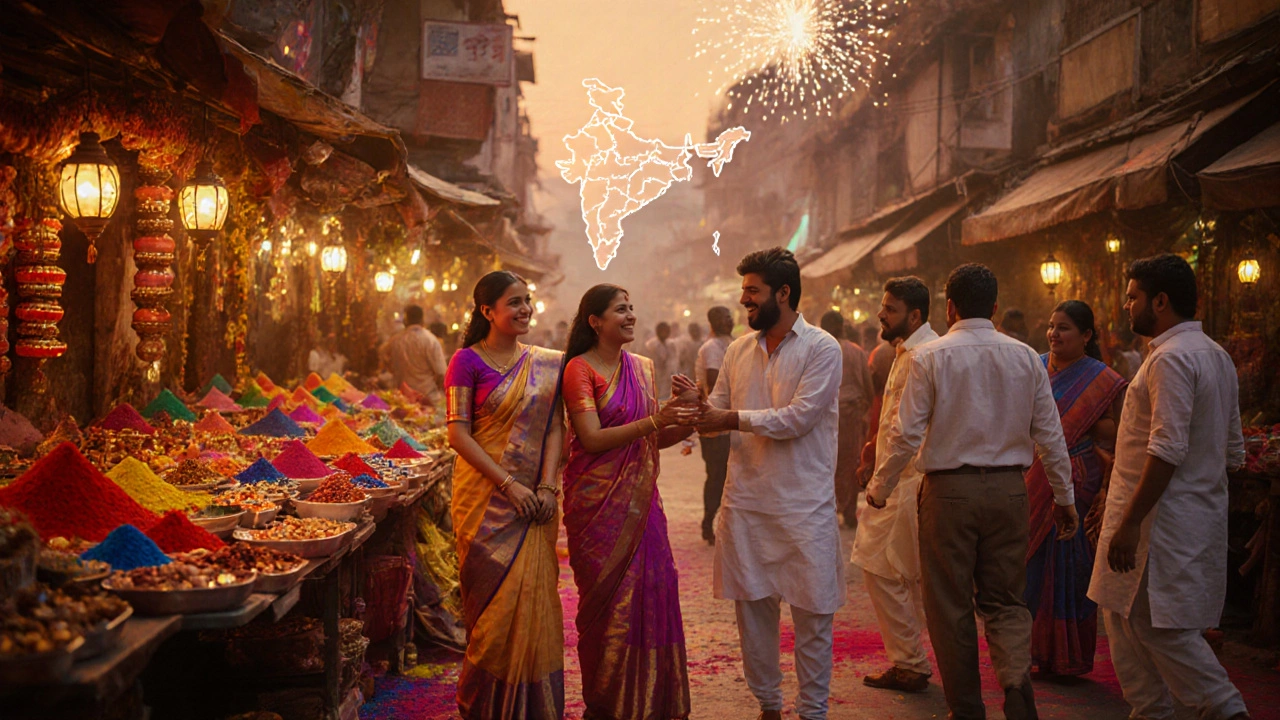
- Holi - The Spring Colour Festival, celebrated in March. People throw coloured powders, sing folk songs, and enjoy thandai (a spiced milk drink).
- Navratri - A nine‑night worship of the divine feminine, culminating in Durga Puja in West Bengal and Dussehra in the Hindi‑speaking belt. Dances like Garba and Dandiya dominate the evenings.
- Ganesh Chaturthi - Observed in August/September, especially in Maharashtra. Clay idols of Lord Ganesha are installed in homes and public pandals, then immersed in water bodies on Anant Chaturdashi.
- Makar Sankranti - A harvest festival celebrated on January 14th, famous for kite‑flying in Gujarat and sweet‑making (til‑ladoo) across the country.
Regional Festivals - A Zonal Breakdown
India’s vast geography gives rise to unique celebrations that rarely make it beyond state borders. Below, each zone is highlighted with its signature events.
North India
- Baisakhi - Punjab’s spring harvest festival (April). Farmers thank the Sun God, and the community enjoys bhangra performances.
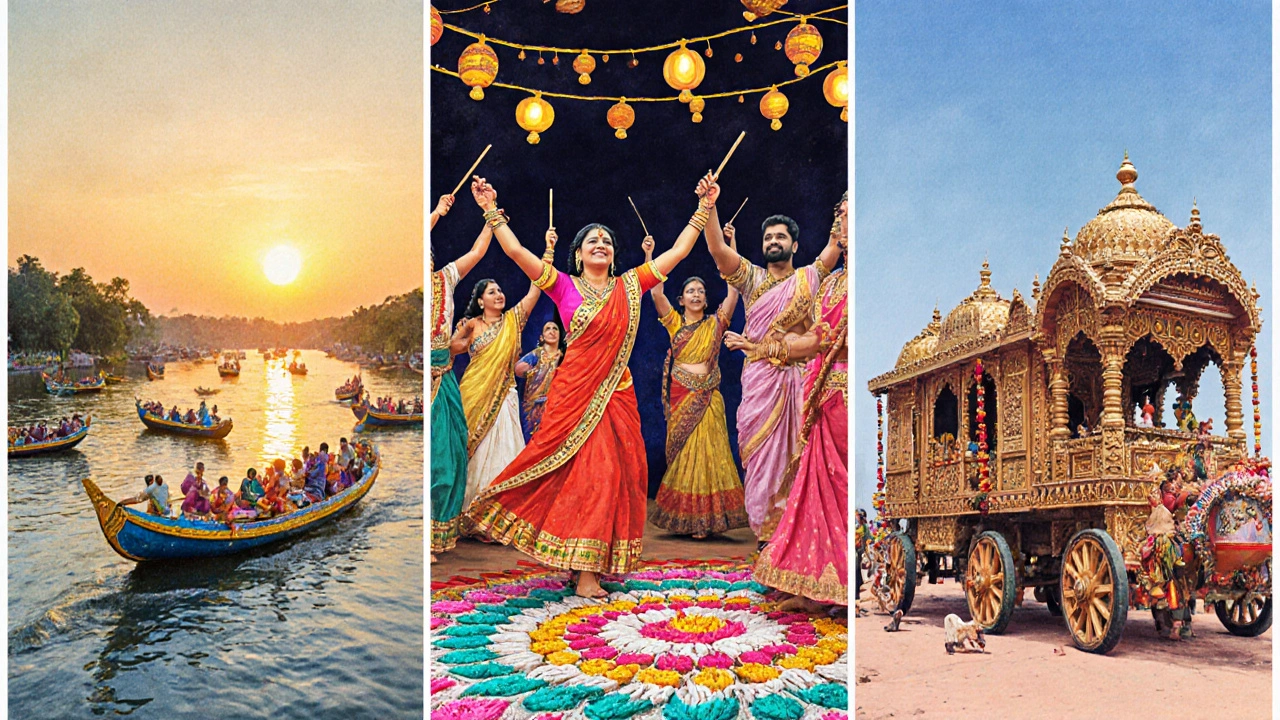
- Rath Yatra - Odisha’s grand chariot procession (June/July) dedicated to Lord Jagannath. Massive wooden chariots roll through Puri.
South India
- Onam - Kerala’s 10‑day harvest celebration (August/September). The iconic pookalam flower rangoli, snake‑boat races, and the vallamkali are hallmarks.
- Pongal - Tamil Nadu’s thanksgiving to the Sun (mid‑January). Families cook the eponymous rice dish, and decorative cattle are paraded.
East India
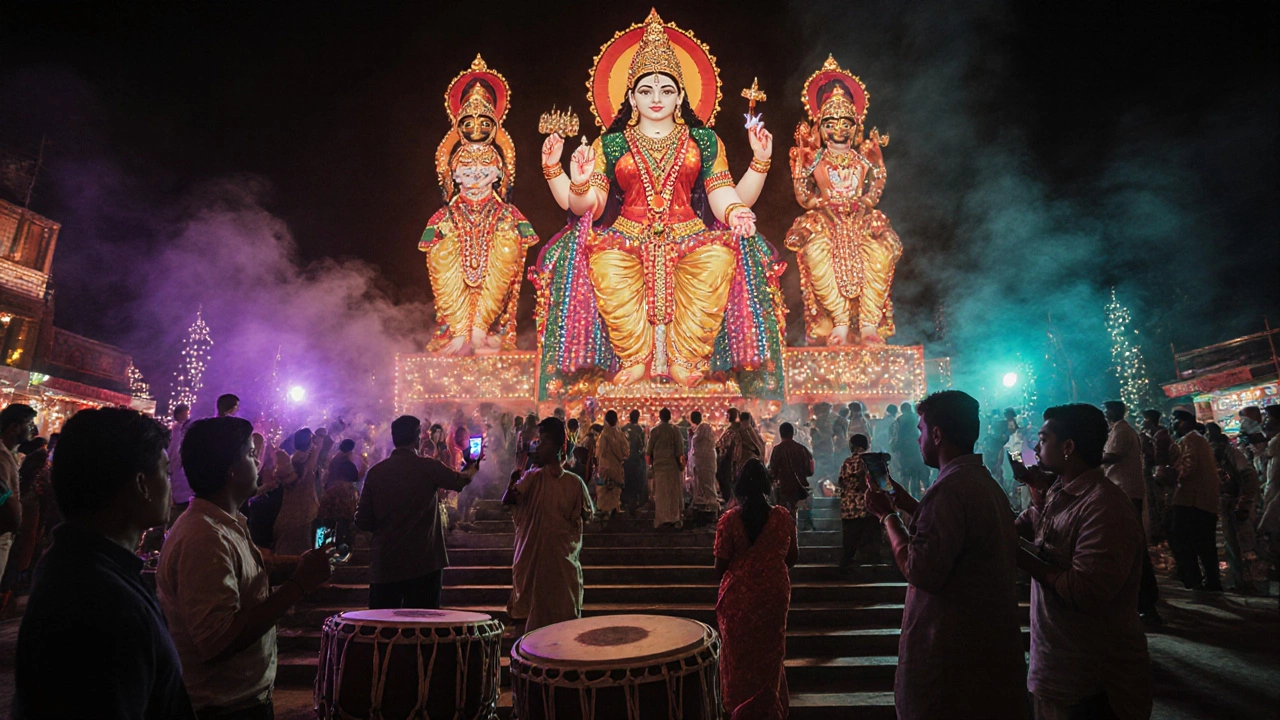
- Durga Puja - West Bengal’s most elaborate festival (September/October). Artisans craft towering pandals, and the city pulses with dhak drums.
- Raja Parba - Odisha’s celebration of womanhood (June). Women enjoy a day of rest, wearing new clothes and playing traditional games.
West India
- Navratri (Garba) - Gujarat’s energetic dance nights (September/October). Circular patterns symbolize the universe.
- Modhera Dance Festival - Gujarat’s classical dance showcase held at the Sun Temple (December).
Central India
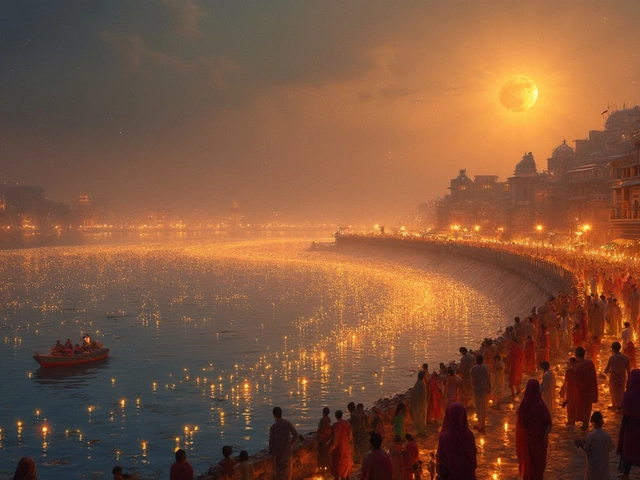
- Chhath Puja - Bihar and Uttar Pradesh’s solar worship (October/November). Devotees stand in rivers, offering prayers to the setting sun.
- Kumbh Mela - Though pan‑Indian, the most famous gatherings often occur in Prayagraj (Uttar Pradesh). Held every 12 years, it draws millions for a sacred dip.
Seasonal Themes Across Festivals
The Indian calendar is closely tied to the agrarian cycle, which explains why many festivals fall in spring, monsoon, or harvest seasons:
- Spring - Holi, Vasant Panchami, Baisakhi celebrate renewal and the onset of sowing.
- Monsoon - Teeyan (Punjab) and Raksha Bandhan often coincide with early rains, fostering gratitude for water.
- Harvest - Pongal, Onam, Makar Sankranti, Baisakhi thank the earth for bounty.
Key Elements You’ll See at Most Indian Festivals
Regardless of region, certain cultural threads stitch together India’s celebrations:
- Music & Dance: From dhol drums in Punjab to classical Odissi in Odisha, each festival features local performing arts.
- Food: Special dishes are prepared using seasonal ingredients-sweet laddus for Diwali, curd‑based payasam for Onam, spicy chaats during Navratri.
- Attire: Bright saris, kurta‑pyjamas, and regional handloom fabrics (e.g., Banarasi silk, Kanchipuram silk) are worn with pride.
- Rituals & Offerings: Lamps, incense, flower garlands, and symbolic items (like the Kalash during Makar Sankranti) feature prominently.
Quick Comparison Table of Major Indian Cultural Festivals
| Festival | Primary Region(s) | Typical Month | Signature Activity |
|---|---|---|---|
| Diwali | All India | Oct‑Nov | Lighting lamps & fireworks |
| Holi | North & Central | Mar | Colour powder play |
| Onam | Kerala | Aug‑Sep | Pookalam & snake‑boat races |
| Pongal | Tamil Nadu | Jan | Cooking the Pongal dish |
| Durga Puja | West Bengal, Assam | Sep‑Oct | Grand pandals & dhak drums |
| Navratri (Garba) | Gujarat, Maharashtra | Sep‑Oct | Garba dance circles |
| Makar Sankranti | All India (esp. Gujarat) | Jan 14 | Kite flying |
| Baisakhi | Punjab, Haryana | Apr | Harvest prayers & bhangra |
Travel Tips: How to Experience Indian Festivals Like a Local
- Plan Ahead: Major festivals draw crowds. Book accommodations 2‑3 months early, especially in popular cities like Jaipur during Holi or Kolkata for Durga Puja.
- Dress Appropriately: Light cotton for summer festivals (Onam), layered clothing for winter celebrations (Diwali in North India). Respect local dress codes-avoid shorts in temples.
- Participate Respectfully: Join the colour fight at Holi, but ask before applying powder to strangers. Offer sweets or a small token when invited to a household meal.
- Mind the Timings: Many festivals start at dusk (e.g., Diwali fireworks) or dawn (Makar Sankranti kite‑launch). Arrive early to catch the full ambience.
- Safety First: Keep valuables secure during crowded processions; use reputable transport options; stay hydrated during summer events.
Preserving the Future of Indian Festivals
Modernization and urban migration threaten some traditional practices. NGOs in Rajasthan are documenting folk dances tied to the Teej festival, while tech startups in Bangalore create AR experiences for virtual participation in Durga Puja. Supporting local artisans, buying handcrafted décor, and sharing authentic stories online are simple ways anyone can help keep these cultural treasures alive.
When is the best time to travel for Indian festivals?
It depends on the festival you want to see. For Holi, plan for March; Diwali falls in October‑November; Onam is in August‑September. Booking 2‑3 months ahead is wise.
Do I need to be Hindu to attend these festivals?
No. Most Indian festivals are open‑handed. Visitors are welcomed to watch processions, taste foods, and even join dances, as long as they respect local customs.
What should I wear to a religious procession?
Modest clothing is safest-long sleeves, skirts or trousers, and closed shoes. In some temples, women may need to cover their heads.
Can I buy festival souvenirs legally?
Yes, but avoid items made from endangered wildlife (e.g., ivory). Look for certified handicrafts made from wood, brass, or sustainable fabrics.
How do I stay safe during crowded celebrations?
Keep a small travel bag, secure your passport, stay with a group, and use official transport. Carry a portable charger for your phone to stay connected.